The Algorithm Knows Best? How Quantified Data Is Rewriting the Rules of What You See Online
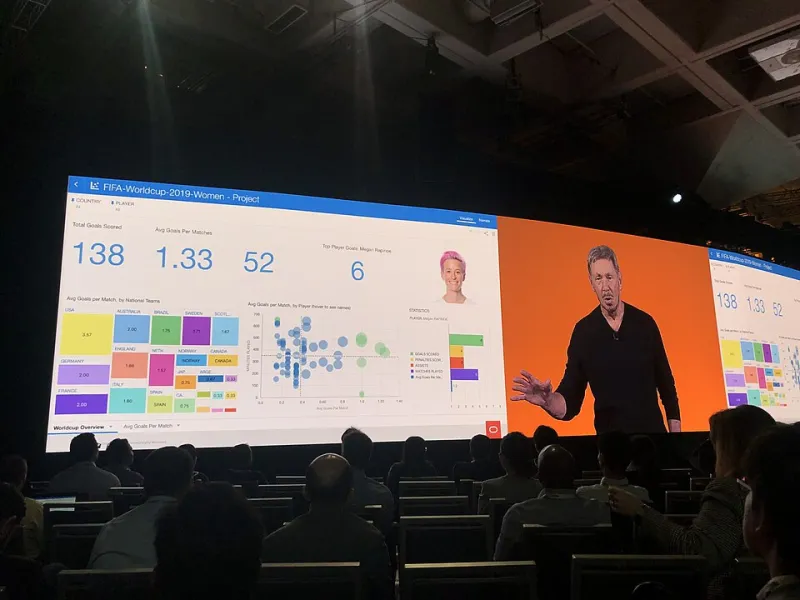
Photo: GeneralAB13, CC BY-SA 4.0, via Wikimedia Commons
Not long ago, what you read, watched, or listened to was filtered through a human being. An editor. A program director. A curator with a point of view, a gut feeling, and — let's be honest — a set of biases baked in by experience, culture, and whoever was signing their paycheck.
That era isn't completely gone. But it's fading fast.
Today, the decisions that shape your content diet are increasingly being made by systems that speak one language: numbers. Engagement rates. Completion percentages. Scroll velocity. Click-through ratios. Rewatch counts. These signals — billions of them, generated every second — are quietly running the show.
From Gut Feeling to Data Signal
The shift didn't happen overnight. It's been building for about fifteen years, accelerating every time a major platform discovered that algorithmic curation outperformed human editorial judgment — at least by the metrics that matter to advertisers and shareholders.
YouTube's recommendation engine, which now drives over 70% of the time users spend on the platform, is probably the most studied example. What started as a relatively simple view-count ranking system evolved into a sophisticated neural network that weighs hundreds of behavioral signals simultaneously. The result? Watch time exploded. So did controversy, rabbit holes, and a whole new genre of creator anxiety.
Spotify followed a similar path. The platform's Discover Weekly feature — which generates personalized playlists based on listening patterns, skip behavior, and playlist co-occurrence data — became one of the most beloved product features in streaming history. Not because a music journalist handpicked those songs, but because an algorithm detected patterns invisible to any single human listener.
"The data sees things we can't," says a product analyst at a mid-sized content platform who spoke on background. "A human editor might think a 6-minute article is too long. But if the data shows users are spending 5 minutes and 45 seconds on it and coming back for more, the number overrules the instinct."
The Quantification of Everything
What's remarkable about 2024 is how total this quantification has become. It's not just the big platforms anymore. Newsletter tools like Beehiiv and Substack give writers granular open rates, click maps, and subscriber retention curves. Podcast hosts can see exactly where listeners drop off. Short-form video creators on TikTok and Instagram Reels get second-by-second retention graphs that show precisely when viewers swipe away.
This is the data-driven content loop in action: create something, measure how people respond to it numerically, adjust, repeat. It sounds clinical. And in some ways it is. But it's also producing genuinely useful feedback that creators never had access to before.
The question is what gets optimized — and what gets lost in the process.
What the Numbers Reward (And What They Punish)
Algorithmic systems are only as good as the signals they optimize for. And right now, most major platforms are optimizing for engagement — which sounds reasonable until you examine what "engagement" actually rewards.
Short, emotionally charged content tends to win. Outrage drives clicks. Surprise drives shares. Nostalgia drives saves. These aren't insights that require a PhD — they're patterns the algorithms learned by watching billions of humans behave in real time.
The side effects are real. Long-form investigative journalism struggles to compete with listicles. Nuanced political commentary gets buried under hot takes. Slow-burn documentary filmmaking fights for attention against dopamine-optimized short videos.
But here's the counterargument that often gets ignored: the data also surfaces genuinely great content that editorial gatekeepers would have dismissed. Independent creators building audiences in niche categories — obscure history, technical DIY, hyperlocal storytelling — are finding their people in ways that legacy media institutions never enabled.
"The algorithm doesn't care if you went to journalism school," notes one independent content creator with over 800,000 YouTube subscribers, built entirely through data-informed iteration. "It cares if people watch you. That's democratizing in a real way, even if it's also chaotic."
Personalization: Gift and Trap
Personalization is the crown jewel of the quantification revolution. The promise is seductive: a content experience perfectly calibrated to your interests, habits, and preferences, improving continuously as the system learns more about you.
And it works — to a point. Netflix's recommendation engine reportedly saves the company over a billion dollars annually in reduced churn. Amazon's product suggestions drive a significant chunk of its retail revenue. Spotify's algorithmic playlists have introduced millions of listeners to artists they genuinely love.
But personalization at scale creates a subtle problem: it narrows the aperture of discovery. When every platform is serving you more of what you already like, serendipity — the random encounter with something unexpected that changes how you think — gets engineered out of the experience.
Researchers call this the filter bubble problem, and while it's been somewhat overstated in popular discourse, it's not imaginary. Platforms that optimize purely for engagement risk creating users who are deeply engaged with a narrow slice of the world.
The smartest platforms are starting to bake in intentional randomness — surfacing content slightly outside a user's comfort zone to prevent stagnation. It's a fascinating design challenge: using data to defeat the limitations of data.
What This Means for Creators Right Now
If you're producing content in 2024 — whether you're a solo creator, a brand marketer, or a media organization — the numbers-first reality has some practical implications:
- Your first 30 seconds are everything. On video platforms especially, early retention signals carry enormous algorithmic weight. Hook fast or get buried.
- Consistency beats virality. Platforms reward creators who post regularly and maintain predictable engagement patterns. One big hit matters less than sustained performance.
- Format matters as much as content. A great idea in the wrong format (say, a 20-minute video on a platform that favors 60-second clips) will underperform a mediocre idea in the right one.
- Data is feedback, not gospel. The creators who thrive long-term use analytics as a diagnostic tool, not a creative director. Numbers tell you what happened — not necessarily what should happen next.
The Human Element Isn't Going Anywhere
For all the power of algorithmic curation, there's growing evidence that audiences still crave a human signal in the noise. Creator-driven platforms like Patreon and Substack — where the relationship between creator and audience is direct and personal — are thriving precisely because they offer something the algorithm can't fully replicate: trust.
Here at 135689.com, we think about this tension constantly. Numbers are foundational to everything we do — they're literally in our name. But where numbers lead, content follows, and that content still needs to mean something to the person on the other end of the screen.
The future of content discovery probably isn't purely algorithmic or purely editorial. It's some evolving hybrid — where data surfaces the signal and humans decide what to do with it. Getting that balance right might be the defining media challenge of the next decade.